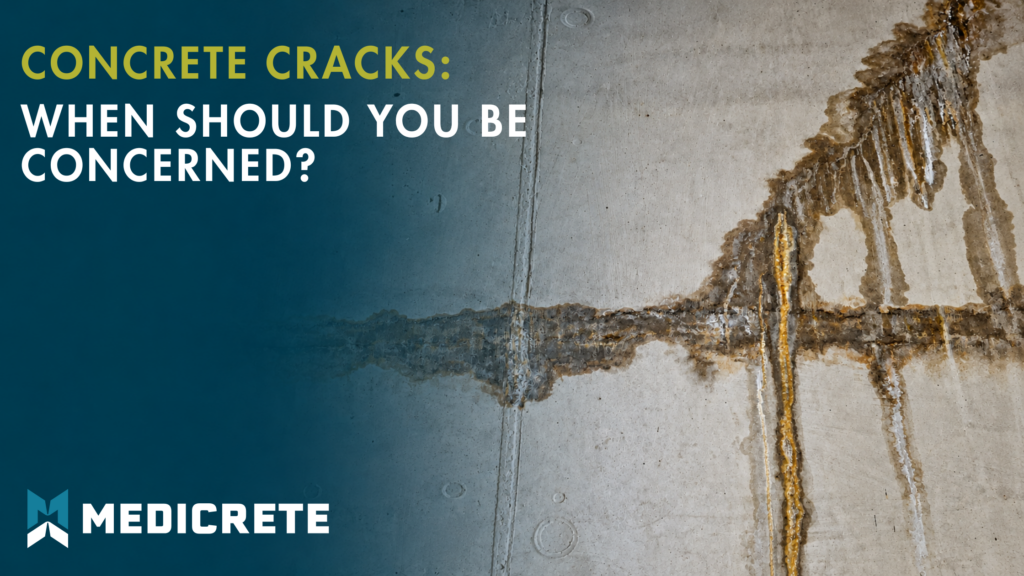
An effective condition assessment answers three practical questions: What is happening? Why is it happening? What decision should the owner make next?
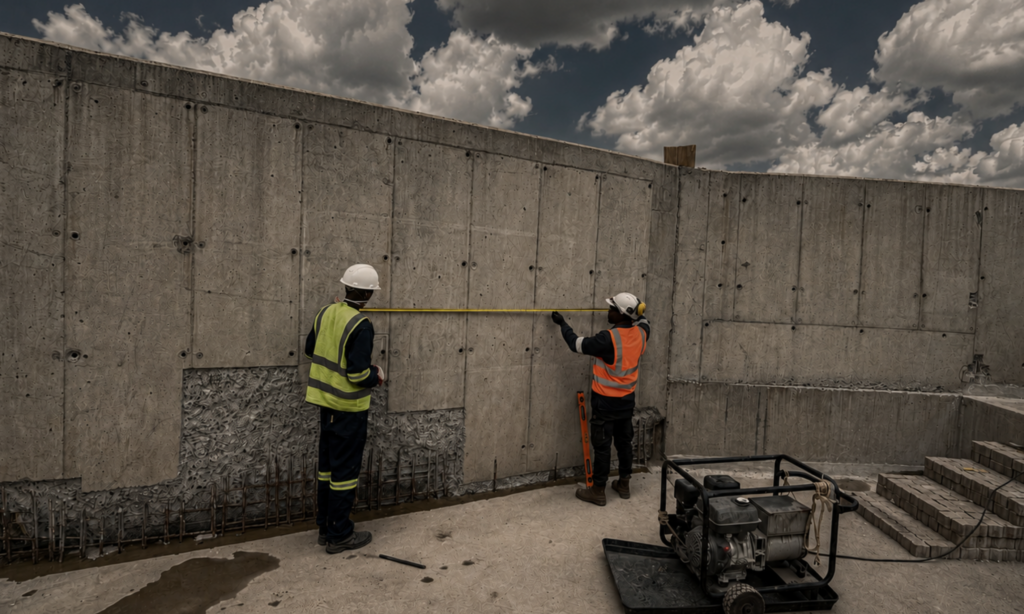
Start with the asset and its history
Drawings, loading changes, exposure, maintenance records and earlier repairs establish context. A site walkover then maps cracks, leaks, rust stains, delamination, spalls, deformation and failed repairs. The pattern often guides the next tests.
Choose tests for a reason
GPR can help locate reinforcement and other embedded features. UPV can compare concrete uniformity and investigate anomalies. Rebound hammer results indicate relative surface hardness. Cover surveys, carbonation-depth measurements, chloride sampling, half-cell potential mapping and resistivity can inform a corrosion investigation. Targeted cores can provide physical samples for laboratory strength and durability tests.
These tests are complementary. For example, a rebound number is not an independent measurement of in-situ compressive strength; a half-cell map estimates corrosion likelihood under applicable conditions, not the rate of section loss.
Turn findings into an asset decision
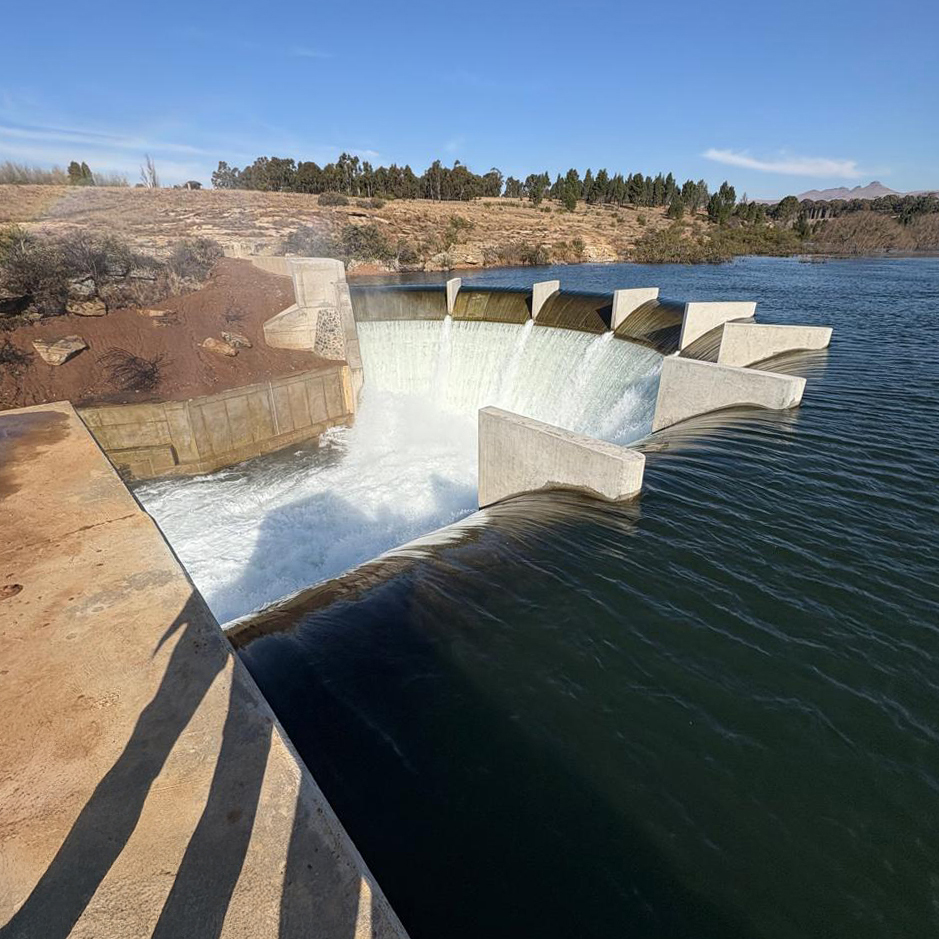
The engineer combines site observations, test data, drawings and exposure history to assess the cause and extent of deterioration. Recommendations may distinguish immediate safety measures, targeted repairs, monitoring and longer-term rehabilitation. For a portfolio, the findings can form a baseline for prioritising budgets and repeat inspections.
The best assessment is the one that provides enough reliable evidence for the decision at hand. A routine maintenance survey and an investigation into a distressed structural member require different scopes.
Need a clear picture of an ageing asset? Medicrete develops tailored investigation programmes and practical recommendations for maintenance and rehabilitation.