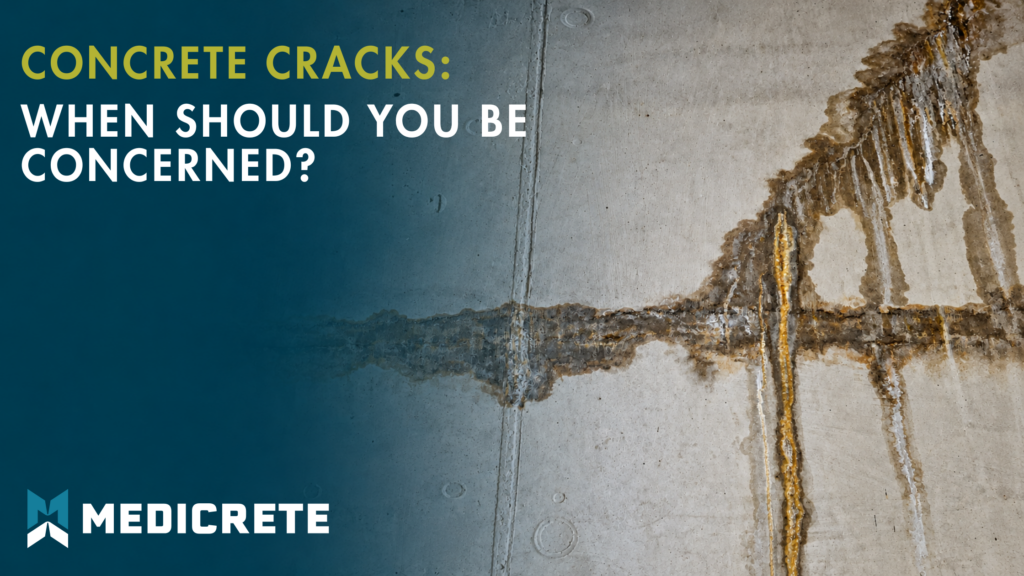
A crack is a clue, not a diagnosis. Some cracks result from restrained shrinkage and remain stable. Others point to foundation movement, overload, corrosion or continuing water ingress. Their significance depends on where they occur and how the structure behaves.
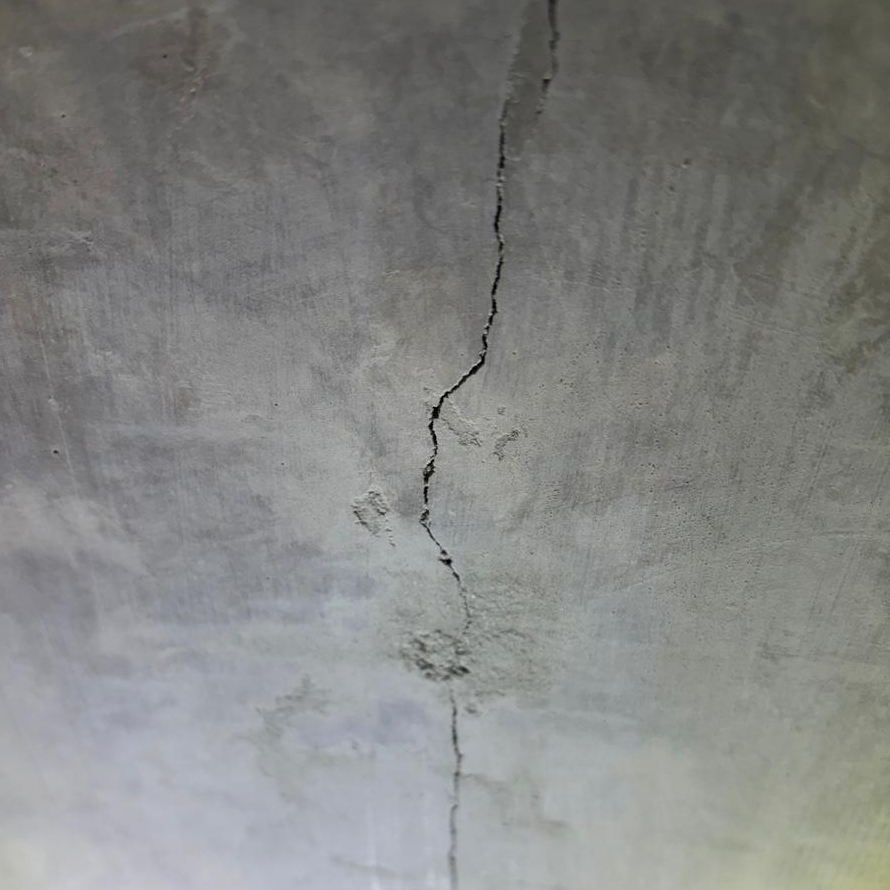
What should you look for?
Record the crack’s location, direction and width, but also look beyond the crack itself. Is it growing? Is the element deflecting or moving? Are there rust stains, loose concrete, leaks or similar cracks nearby? Has the structure’s loading or use changed? A narrow crack in a critical member can matter more than a wider crack in a nonstructural finish.
Cracks deserve prompt professional attention when they appear suddenly, widen over time, pass through a load-bearing element, accompany deformation, or occur with spalling or exposed reinforcement. Falling concrete or suspected instability calls for immediate site safety action and engineering review.
How is the cause established?
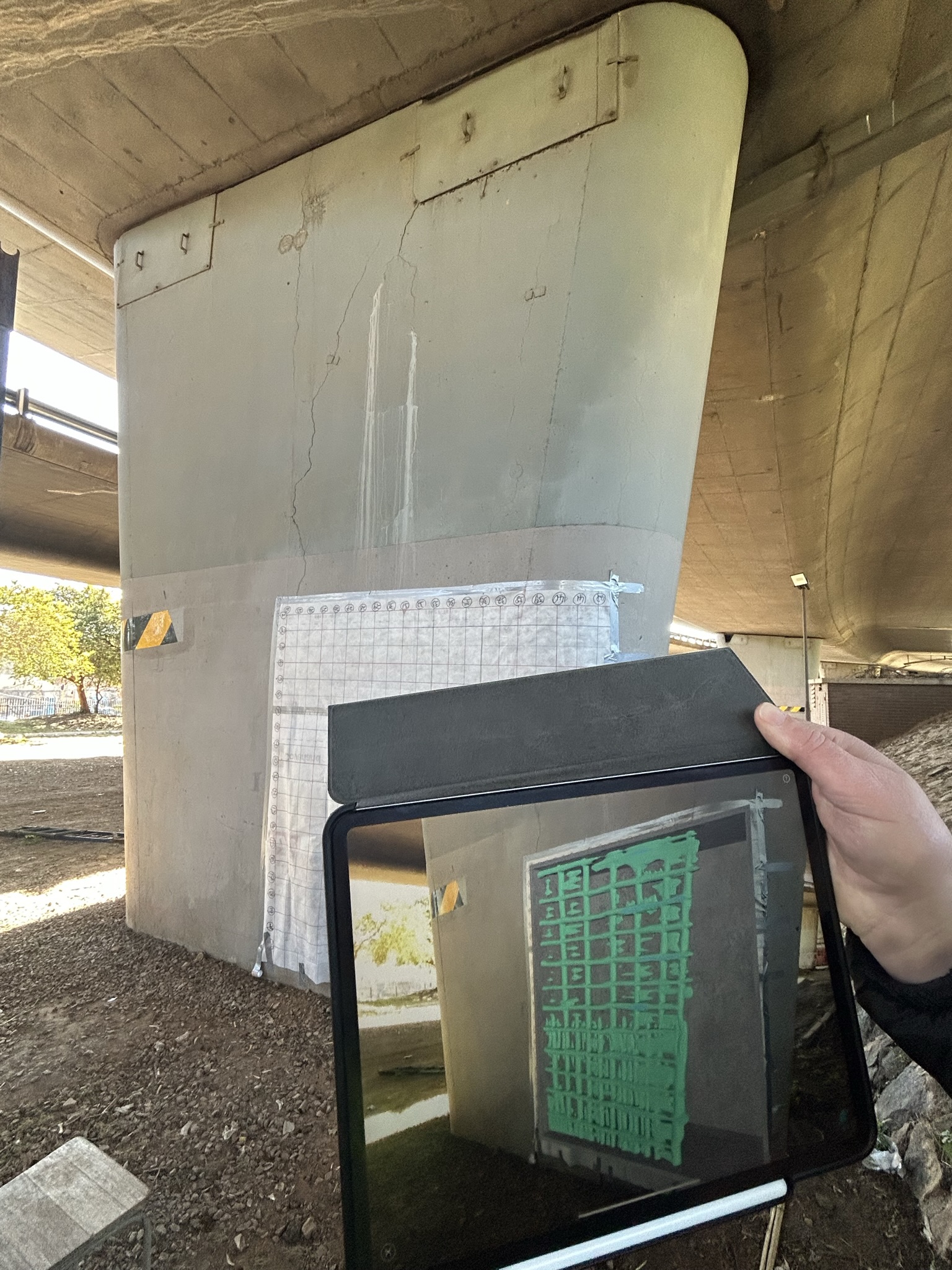
An investigation starts with drawings, repair history, exposure conditions and visual crack mapping. Depending on the suspected cause, it may include movement monitoring, reinforcement location and cover surveys, corrosion-related tests, ultrasonic pulse velocity (UPV) surveys or targeted cores. Each method answers a different question; test results need to be interpreted together.
Can the crack be repaired?
Usually, but the method depends on whether the crack is moving, carrying load or admitting water. Options may include sealing, injection, concrete repair, corrosion control or structural strengthening. Filling an active crack without addressing movement or water ingress can lead to repeat failure.
Need to understand cracking in a concrete asset? Medicrete can map the defects, investigate likely causes and recommend an appropriate monitoring or repair strategy.