A clear patch of concrete surface does not mean the space beneath it is clear. A proposed core or saw cut may intersect reinforcement, a post-tension tendon or a concealed service. Ground penetrating radar (GPR) helps teams plan intrusive work with better information.
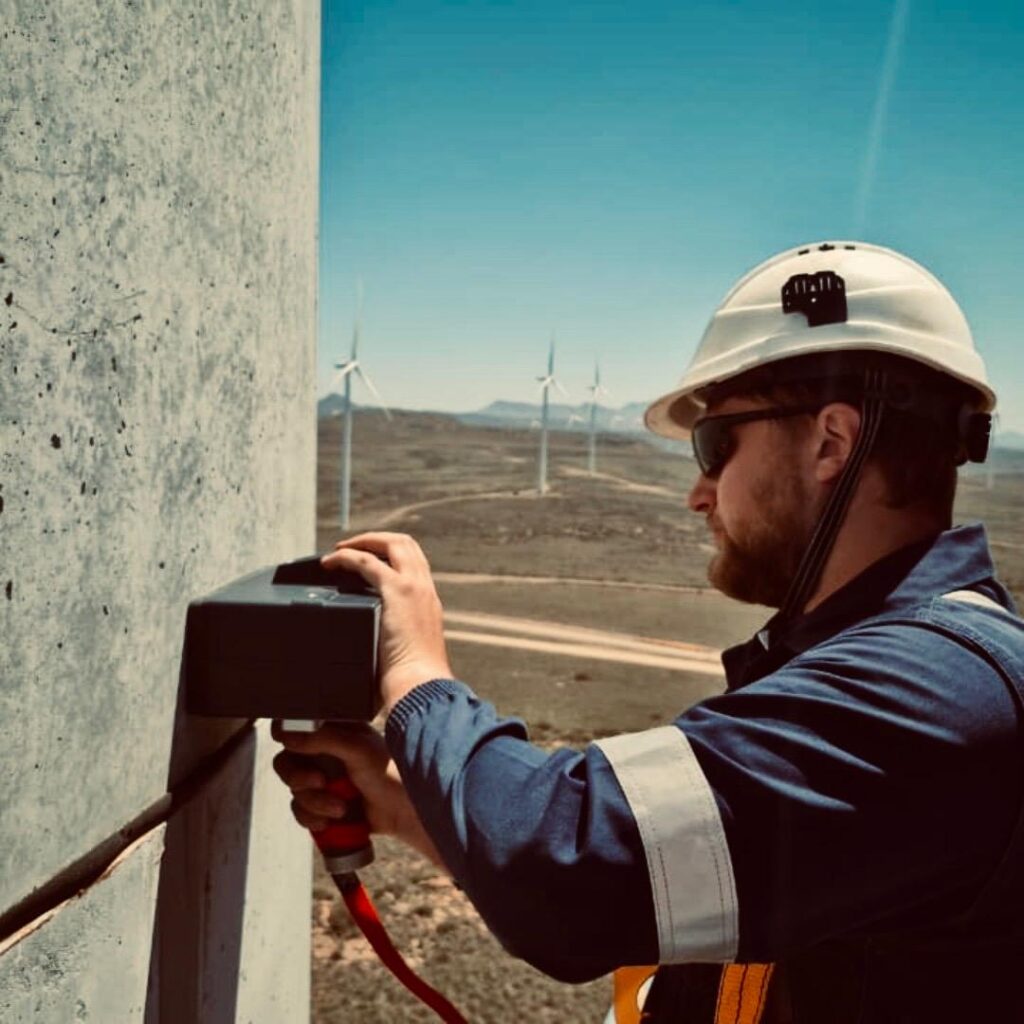
What can a scan identify?
GPR records reflections from features within concrete. An experienced operator may identify reinforcement layout and approximate cover, probable tendon routes, conduits, pipes or changes in geometry. Results depend on the depth and material of the feature, reinforcement congestion, moisture, access and scan orientation. Anomalies cannot always be identified definitively from radar data alone.
Why is post-tensioning a special concern?
Cutting a stressed tendon can create a serious safety and structural hazard. Where post-tensioning is known or suspected, review the design information and obtain an appropriate specialist assessment before intrusive work. Treat scan markings as interpreted evidence, not permission to cut a tendon or remove structural steel.

A practical pre-cut sequence
- Review drawings, service records and the proposed opening or core location.
- Scan an area larger than the proposed cut and mark interpreted features on the surface.
- Resolve uncertain findings with complementary methods or carefully controlled exposure where warranted.
- Have the responsible designer approve any change affecting reinforcement, tendons or structural capacity.
- Brief the cutting team on the marked exclusion zones and agreed method.
GPR reduces uncertainty, but dense reinforcement and conductive, wet or chloride-contaminated concrete can limit penetration. A scan cannot certify that every embedded item has been found.
Planning drilling, coring or an opening? Medicrete can survey the area and provide an interpreted record to support the design and site method.