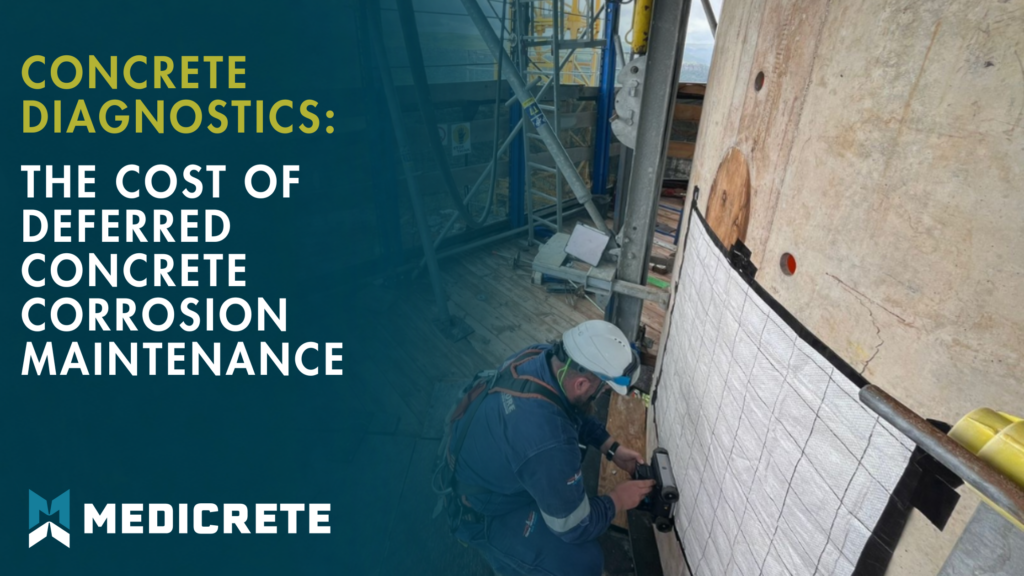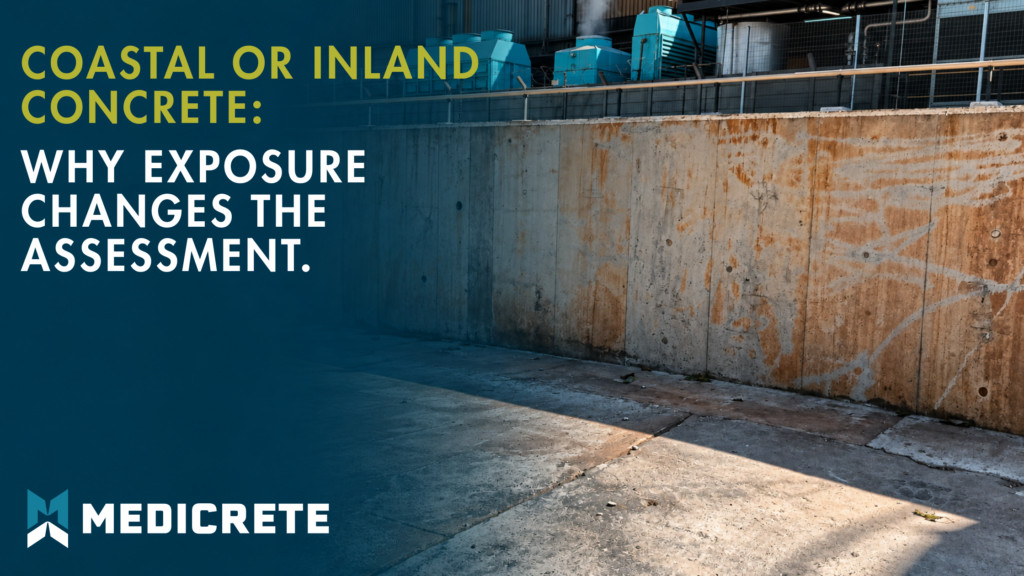
The first visible rust stain may be a small item on a maintenance list. Left unexplained, it can become a larger repair involving concrete removal, reinforcement treatment, access equipment and operational disruption. The cost depends on the asset and exposure; there is no reliable universal multiplier.
Why the repair scope can grow
Corrosion products can exert pressure on surrounding concrete, leading to cracks, delamination and spalling. In advanced cases, loss of steel section and bond can affect structural performance. Water ingress and chloride contamination may also extend beyond the visibly damaged patch. A superficial repair may leave the cause active beside or beneath it.
Why owners postpone action
Early symptoms compete with immediate production and budget demands. Without a condition baseline, it is hard to distinguish a stable defect from an active one or justify a planned intervention. The eventual cost of access, shutdowns and emergency works is less visible in the original decision.
A more useful maintenance sequence
- Inspect and map defects across the asset.
- Investigate the likely mechanism with targeted tests and samples.
- Rank areas by consequence, condition and evidence of progression.
- Plan repairs, protection or monitoring within realistic shutdown and budget windows.
- Repeat selected measurements to check whether the strategy is working.
Early assessment does not mean repairing everything immediately. It helps owners spend first where the risk and potential disruption justify action.
Need to prioritise ageing concrete infrastructure? Medicrete can establish a diagnostic baseline and support a staged maintenance and repair plan.