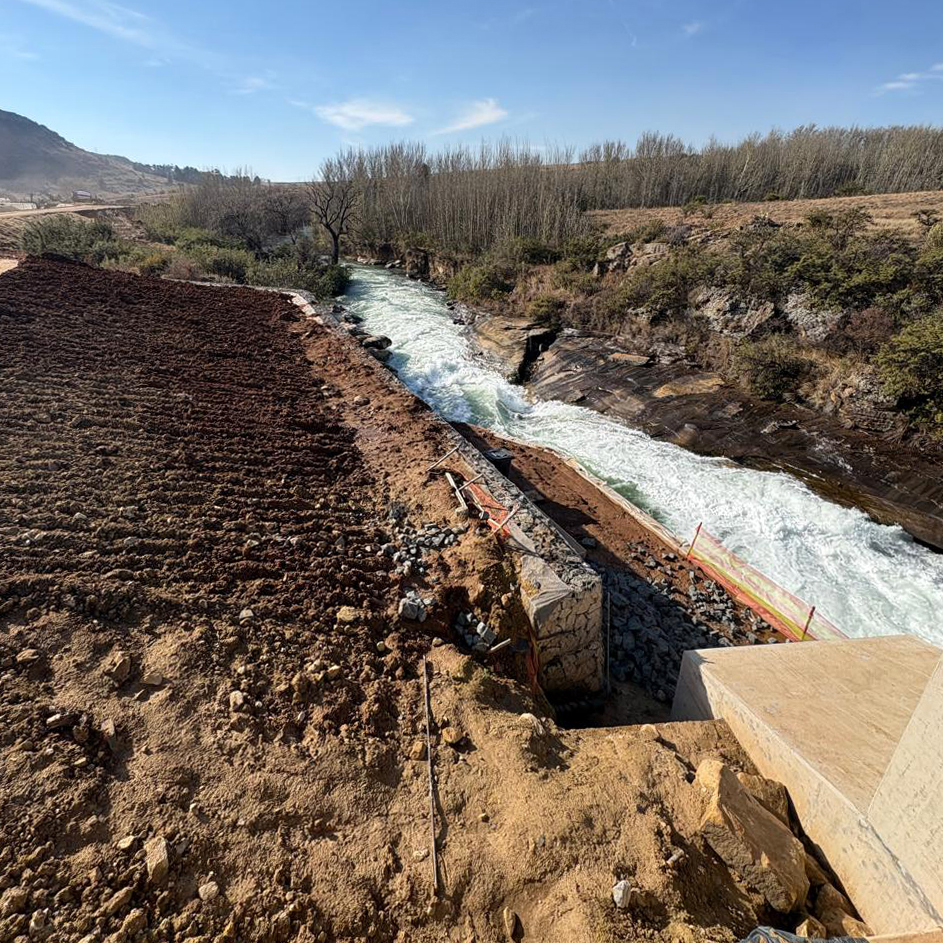
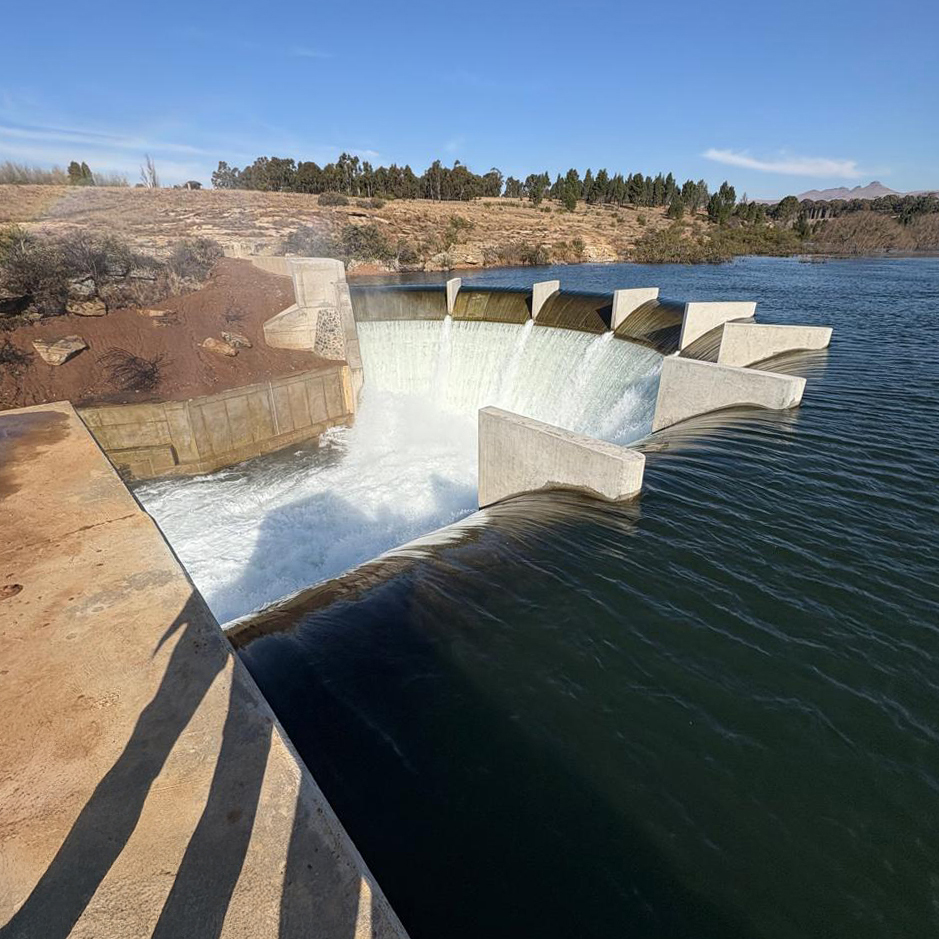
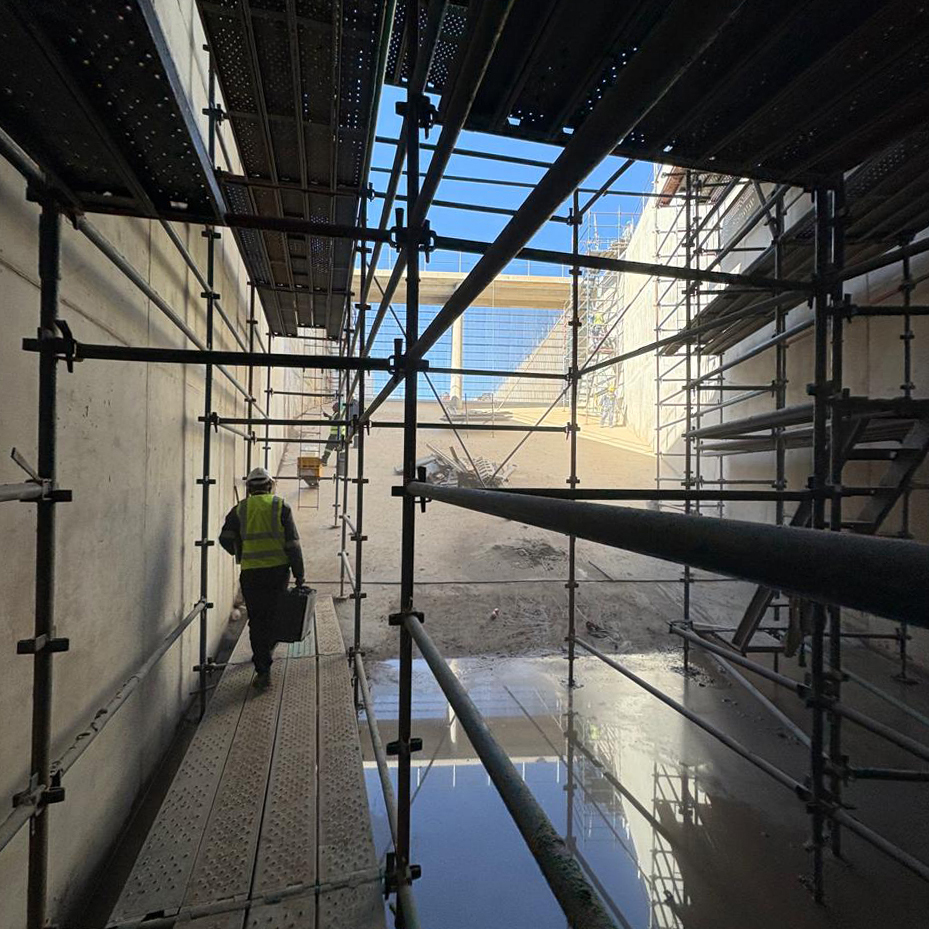
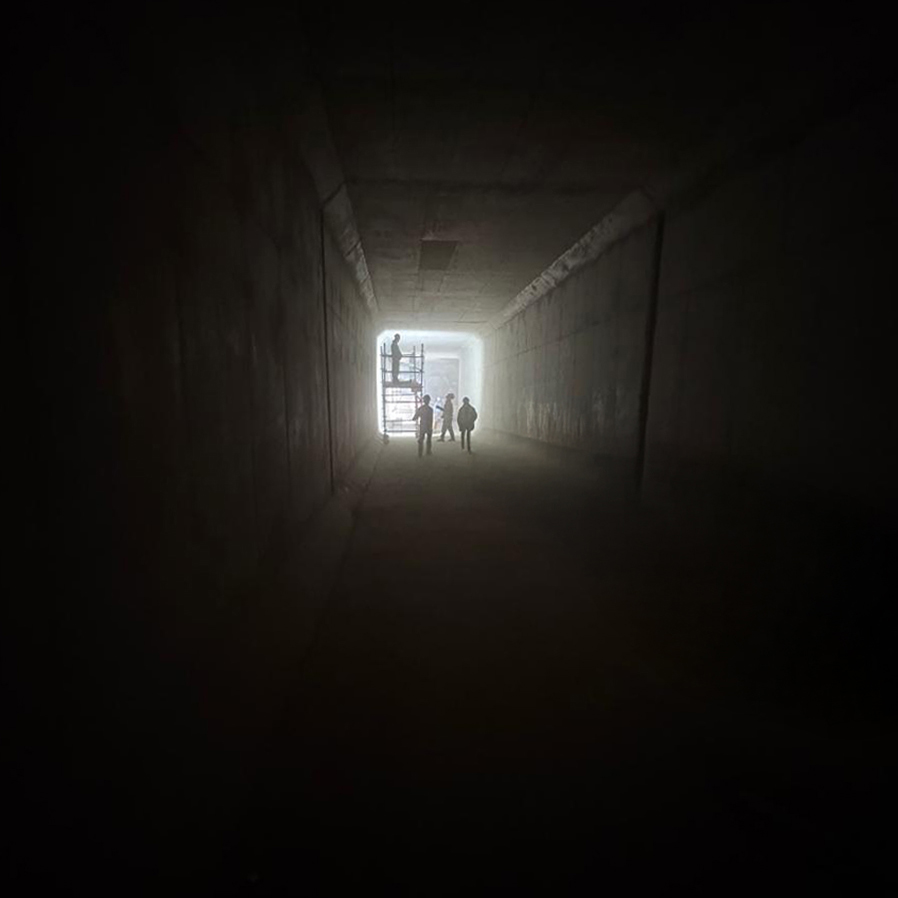
When Medicrete was tasked with investigating water ingress at a penstock structure in Clarens, our brief was clear: assess the condition of the construction joints and identify defects that could be undermining structural integrity.
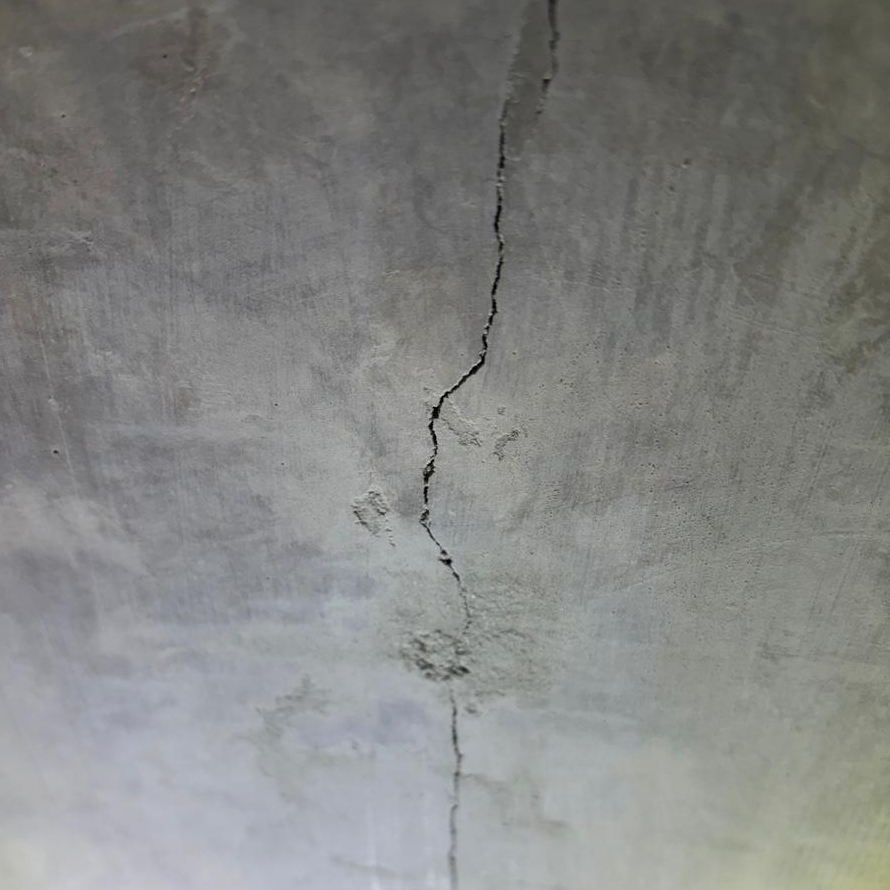
From the outset, signs pointed to construction-related issues. Water seepage was visible along several joints, even though repair work had already been carried out. Our job was to move beyond surface observations and uncover what was happening beneath the concrete.
Medicrete’s Approach
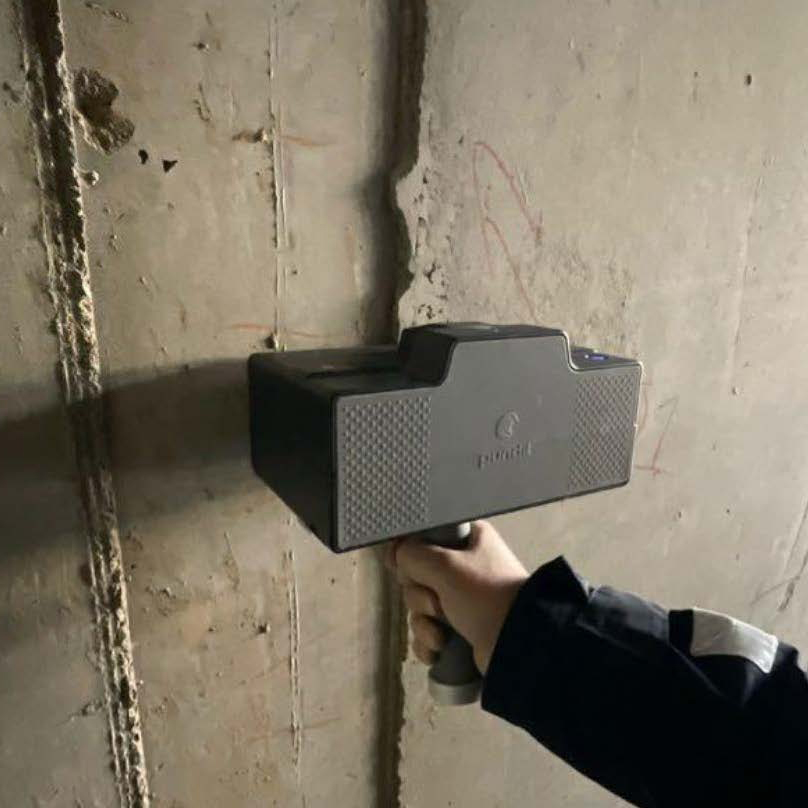
We combined advanced non-destructive testing techniques, including Ultrasonic Pulse Echo and Ground Penetrating Radar (GPR), with structured visual inspections. Using high-resolution scanning and 3D visualisation software, we were able to map voids, delaminations, poor compaction, and anomalies hidden inside the concrete. In the penstock, our focus was on repaired joints and new zones showing leakage.
GPR grid scans added another layer of insight, identifying embedded objects and inconsistencies across depth profiles. This multi-layered approach gave us a precise picture of weak areas and confirmed the presence of voids around certain joints.
Persistent Leakage: Despite previous repair efforts, several joints continued to allow water ingress, highlighting that underlying defects were still present.
Workmanship-Related Defects: Scans indicated issues such as misaligned waterbars, poor vibration practices during casting, and void formation that created weak interfaces.
Migrating Leaks: In the powerhouse, while some joints showed partial improvement, water had begun migrating to adjacent untreated zones, pointing to weaknesses beyond the original repair areas.
Voids Beneath Steel Linings: In the turbine room, hollow zones were detected under the steel lining, raising concerns about potential vibration-induced stress during operation.
What We Found
Despite previous repair attempts, water was still penetrating through construction joints. Our scans pointed to workmanship issues such as displaced waterbars, insufficient vibration during casting, and lack of quality control during the original pour. These factors created weak interfaces and voids that became leak pathways.
In the powerhouse, repairs had improved some areas, but water had started migrating to adjacent untreated zones. Our scans highlighted these weak spots, showing how defects often shift rather than disappear when underlying causes remain.
The turbine room inspection revealed hollow areas beneath the steel lining—detected using tap testing and confirmed through scanning. These voids risk amplifying vibration and stress during operation, a concern for long-term performance.
Moving Forward
For this project, Medicrete’s role was to provide diagnostics only. We mapped the problems, located defects, and gave the client a clear understanding of what was happening beneath the surface. The scope did not include repair recommendations or next steps.
That’s where the partnership continues. When concrete challenges like these arise, knowing where the problem lies is only half the solution. Contact Medicrete today to take the next step – ensuring your structures have the durability, watertightness, and strength to perform for years to come.
GPR grid scans added another layer of insight, identifying embedded objects and inconsistencies across depth profiles. This multi-layered approach gave us a precise picture of weak areas and confirmed the presence of voids around certain joints.