Aging infrastructure presents a unique challenge for engineers.
How do you uncover the hidden condition of concrete structures without causing damage? This was the very challenge our team faced on a recent project, a concrete bridge in Johannesburg built in the 1960s with no surviving as-built drawings.
Our goal was to determine the bridge’s internal reinforcing layout and identify potential defects while keeping the structure intact and operational. Working closely with consulting engineers, the Johannesburg Roads Agency, and the client’s technical team, we needed a precise and non-destructive approach.
A Comprehensive Non-Destructive Testing Strategy
To assess the bridge safely and effectively, we employed a suite of advanced Non-Destructive Testing techniques alongside targeted core sampling. Each method was carefully chosen to extract maximum insight while preserving the bridge’s integrity. This integrated approach allowed our engineers to reconstruct the internal condition of the bridge with a high degree of confidence.
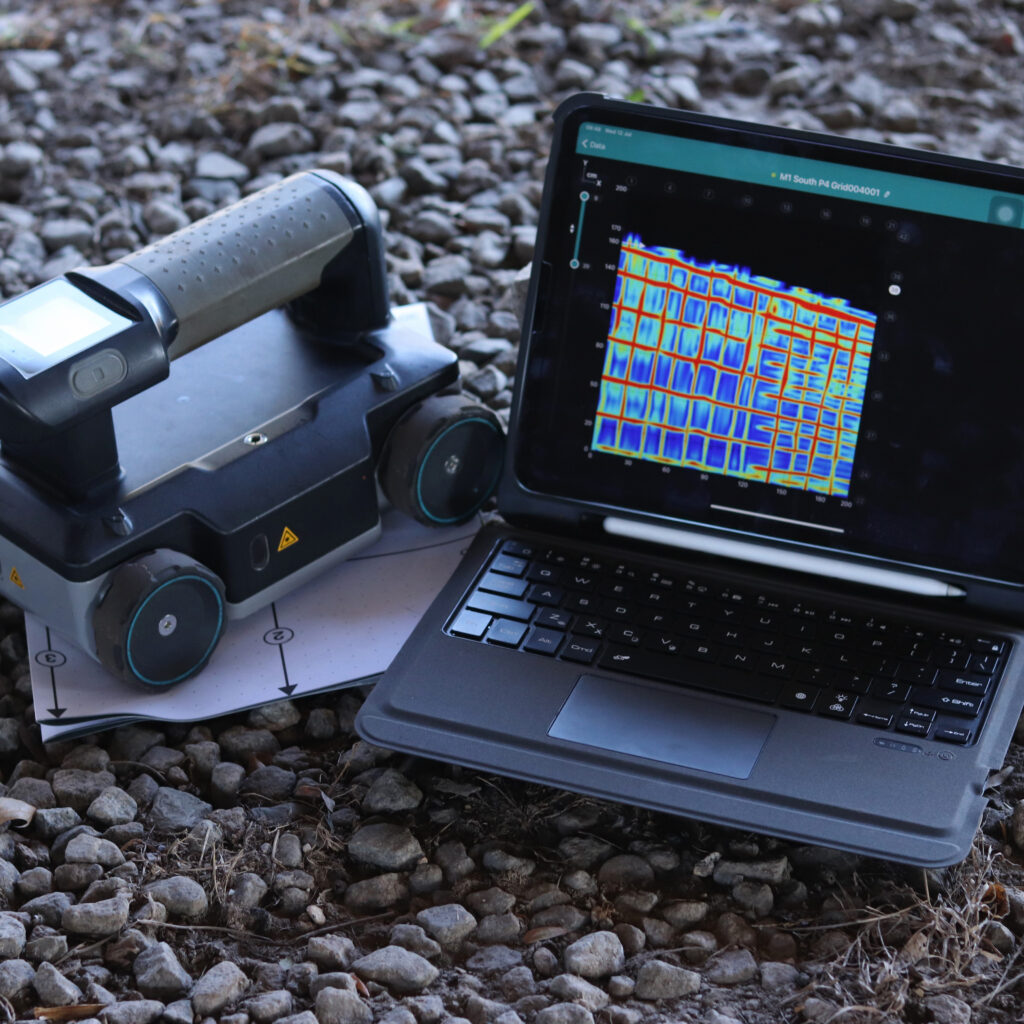
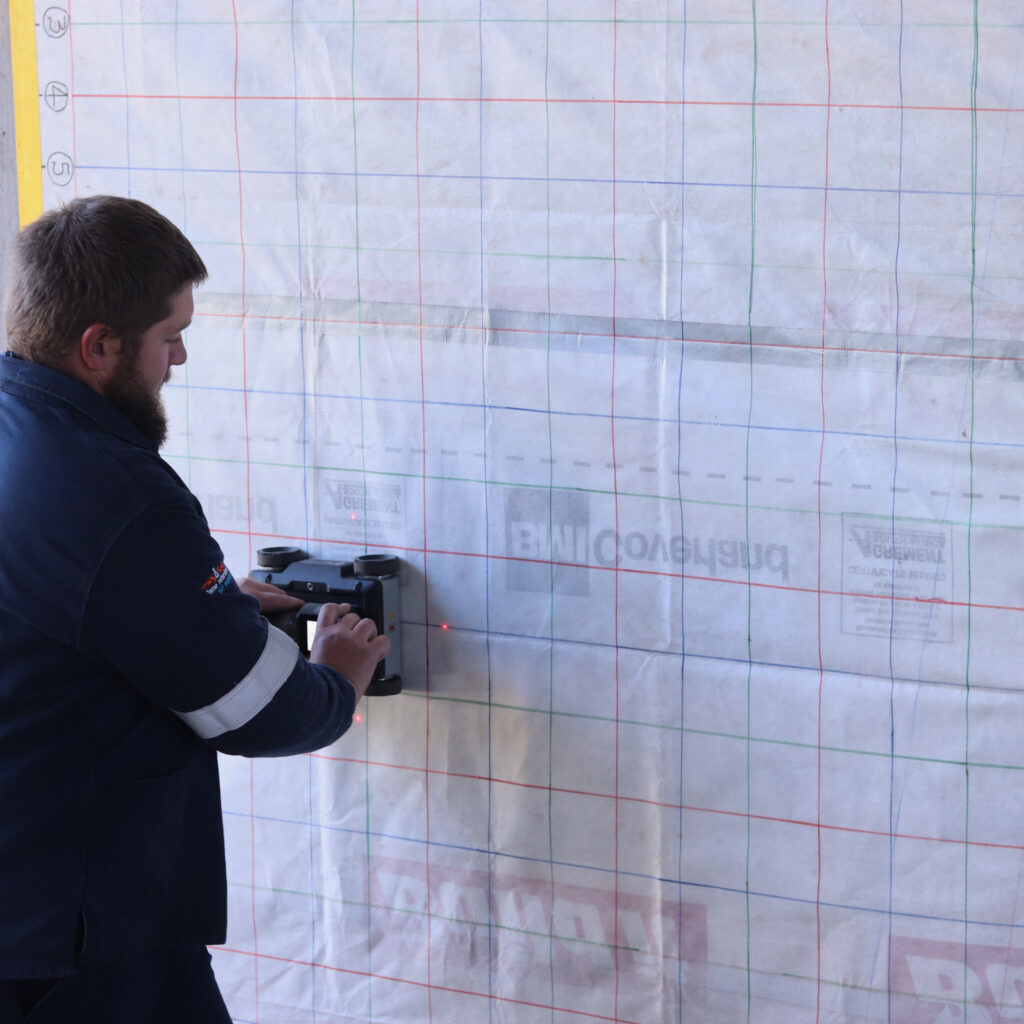
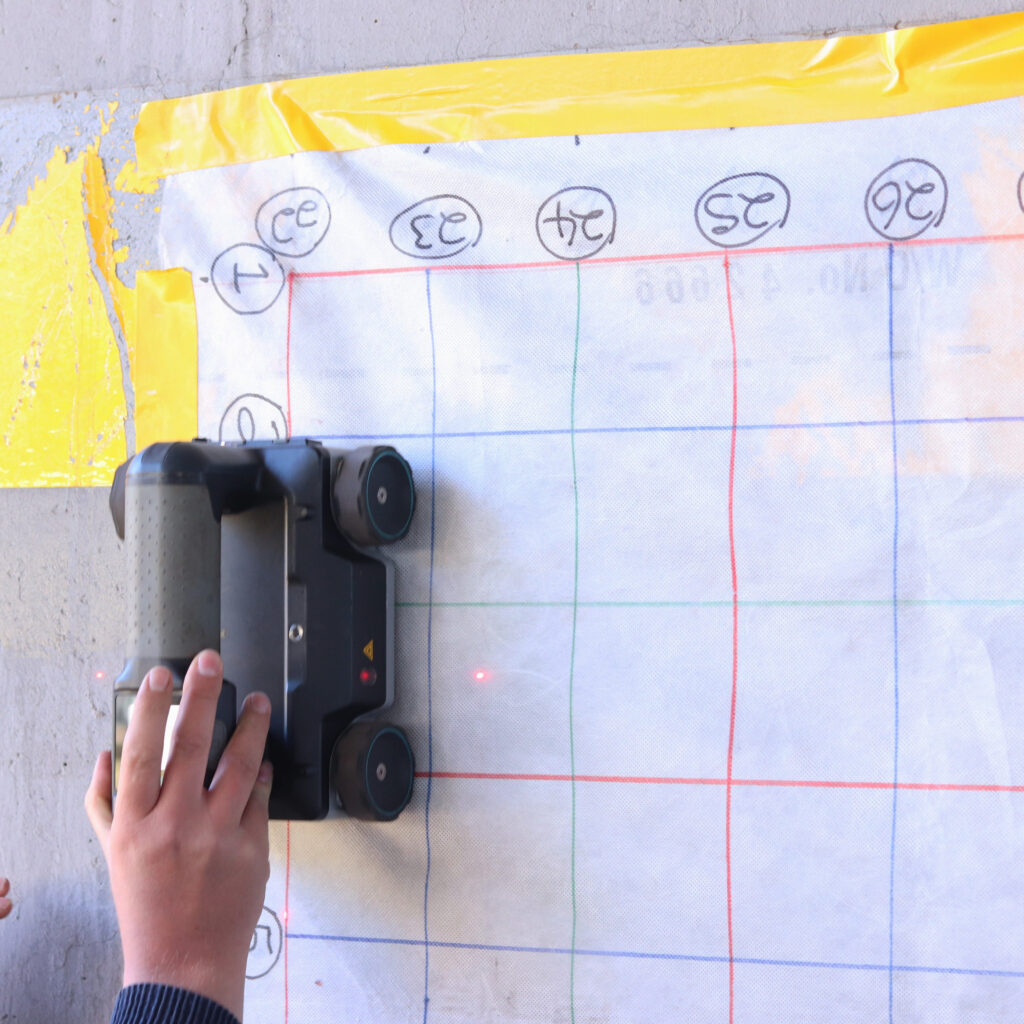
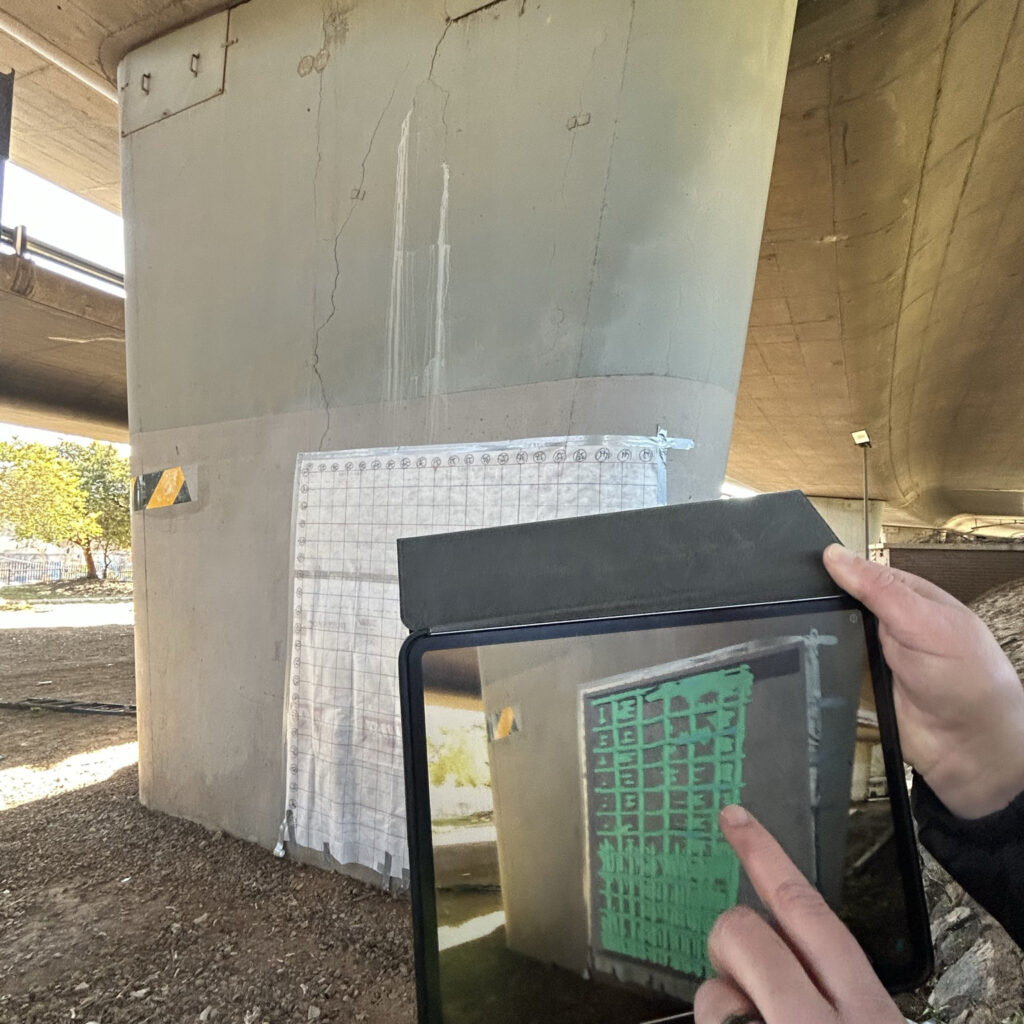
Ground Penetrating Radar was used to map reinforcement cover depth, spacing, and alignment across deck and beam sections.
Ultrasonic Pulse Velocity Testing detected internal voids, delaminations, and areas of reduced concrete integrity
Core Sampling and Testing measured in-situ compressive strength and verified concrete composition
Crack Width and Depth Mapping traced the extent of cracking and surface damage across critical load paths using both manual and digital methods
Reconstructing the Bridge Without Drawings
The final condition assessment report compiled by our team included scanned reinforcement layouts, photographic evidence, test results, and mapping overlays of all defects identified. This comprehensive report provided engineers with a reliable baseline to proceed with confidence in designing structural strengthening measures.
Continuous communication was key. Regular site meetings, data briefings, and reporting ensured alignment among the Johannesburg Roads Agency, structural engineers, and the client’s asset managers. From safety planning to testing outcomes, every step was coordinated to ensure accuracy and efficiency.